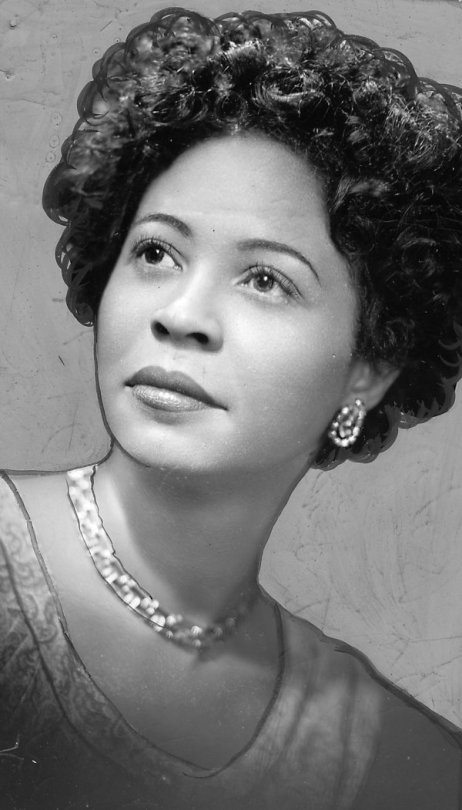
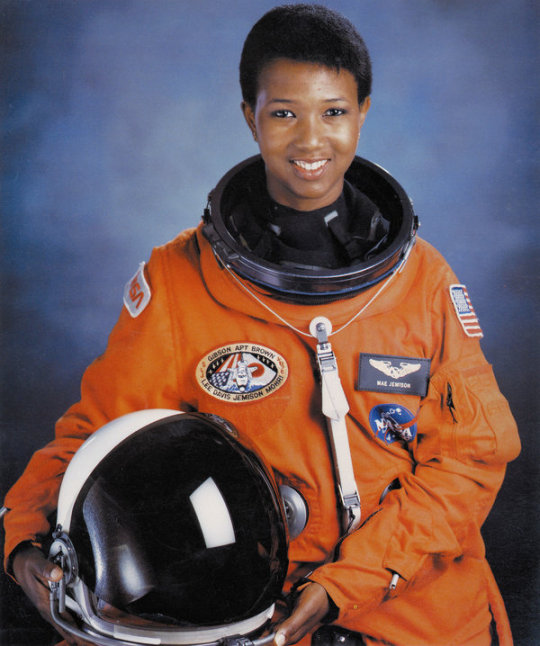
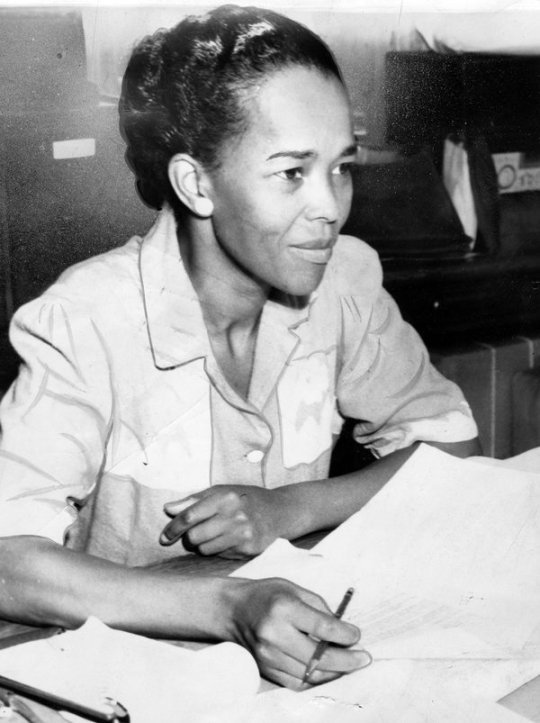
Fun History Fact: The overwhelming majority of cowboys in the U.S. were Indigenous, Black, and/or Mexican persons. The omnipresent white cowboy is a Hollywood studio concoction meant to uphold the mythology of white masculinity.
Thank you.
I will always re-blog this
I think it was high school when i overheard some white girl put on her best semi-disgusted and confused voice and go “why do so many Mexicans dress up like cowboys?” and I had to be the person to tell her.
Why do you think the whites say buckero? Cause they couldn’t say vaquero.
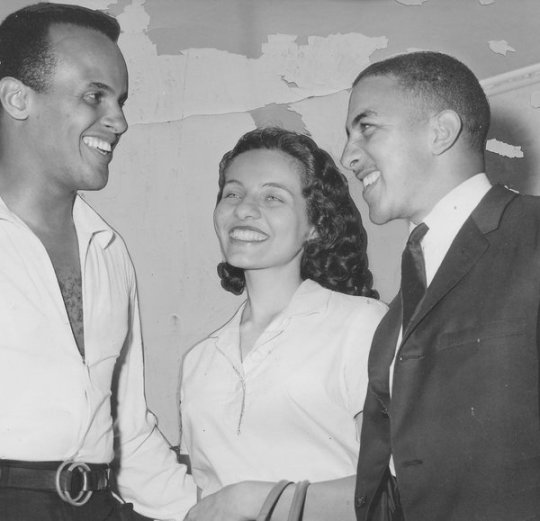
Bayard Rustin was an openly gay Black man who was Martin Luther King’s right hand man. He planned the Million Man March and was subject to scrutiny for his sexuality and deemed a “deviant” and “pervert”.
Bayard Rustin can be found in nearly every picture of MLK yet he has undoubtedly been erased from history. We have to fix that.
Well then, let’s bring that name back.
Bayard Rustin, openly gay, human rights activist, proud black man.
(the guy on the left in case you wondered)
Yeah he was literally the guy who was the head of planning the March on Washington.
If you want to learn more about him, there’s a great documentary on him called Brother Outsider: The Life of Bayard Rustin
rennaissance painters: what is a baby? a small man?
every time i see this post it’s accompanied by a different horrifying painted man baby
In the Detroit Museum of Art there’s a neat room where they have paintings from the 14th, 15th, and 16th centuries along with plaques explaining the transition in European art from “manbaby” to an actual, somewhat realistic child.
According to those plaques, society’s general feeling about children was that they were sinful, cruel, unchristian things which had to be taught how to act like their betters, the adults. Because of this, the people paying for portraits of their children generally requested that the children be given the appearance of an adult, so that they would be visually associated with being a kind and proper individual. As we progressed out of the Byzantine era people’s opinions changed and the innocence of youth was seen as a desirable thing, so the depiction of children shifted to make them appear more cherubic.
… Though the article covers a broader time period and therefore explains more about how the Medieval period caused society to think up something as weird as a “Manbaby” in the first place.
Let’s not forget about these trailblazing women this Black History Month.
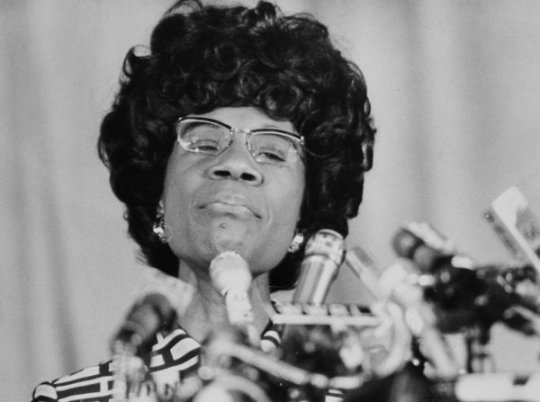
Shirley Chisolm (1924–2005)
Chisolm broke major barriers when she became the first black congresswoman in 1968. She continued on her political track when she ran for president four years later, making her the first major-party black candidate to run.
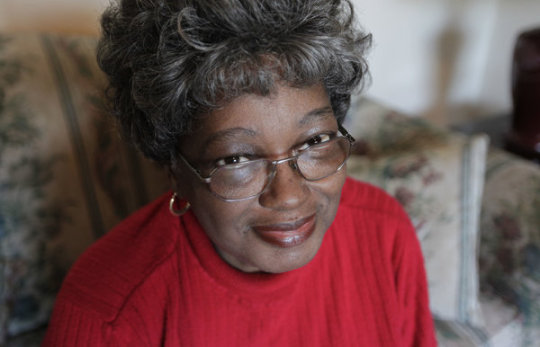
Claudette Colvin (1939-)
Several months before Rosa Parks’ refusal to give up her seat on a bus, Colvin was the FIRST person arrested for resisting bus segregation in Montgomery, Alabama, at the age of 15.
Septima Poinsette Clark (1898–1987)
Clark was an educator and civil rights activist who established citizenship schools that helped many African Americans register to vote. Regarded as a pioneer in grassroots citizenship education, she was active with the NAACP in getting more black teachers hired in the South.
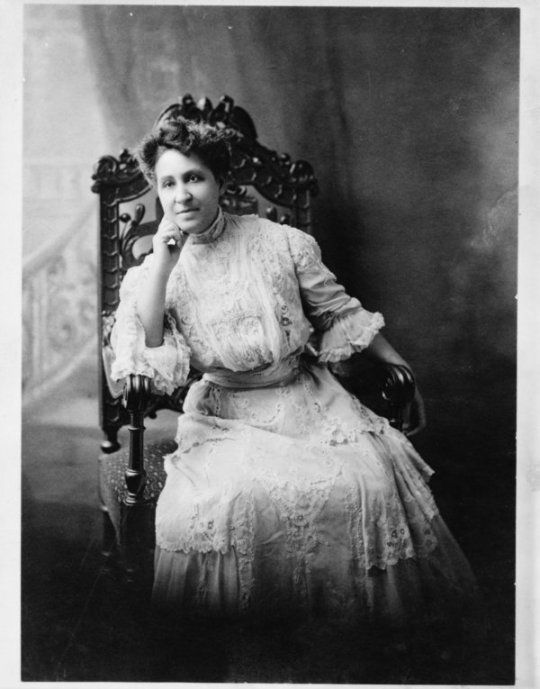
Mary Church Terrell (1863–1954)
This women’s suffrage activist and journalist was the first president of the National Association of Colored Women and a charter member of the NAACP. She was also one of the first African American women to be awarded a college degree.
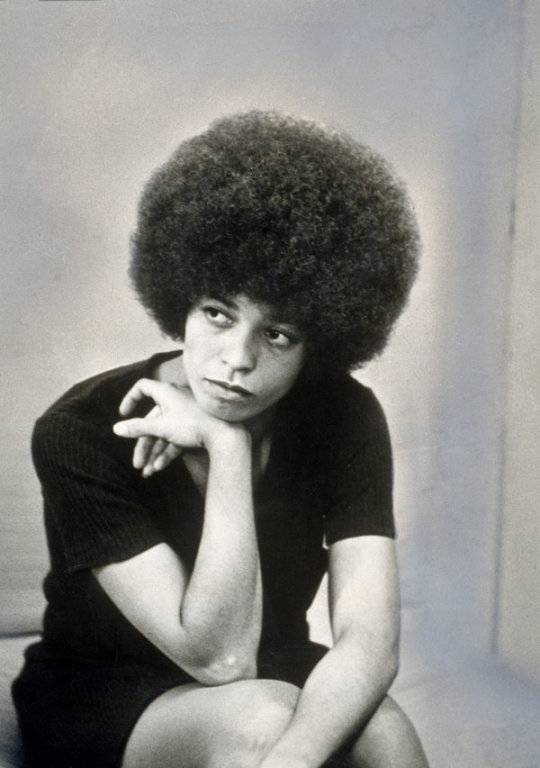
Angela Davis (1944-)
Davis is an American revolutionary and educator. The former Black Panther has fought for race, class and gender equality over the years.
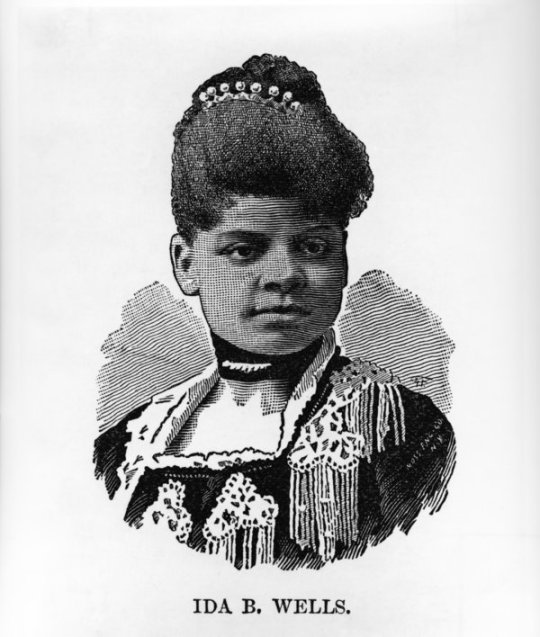
Ida B. Wells-Barnett (1862-1931)
Wells helped bring international attention to the horrors of lynching in the South with her investigative journalism. She was also elected as the Secretary of the Colored Press Association in 1889.
Kathleen Cleaver (1945-)
Kathleen Cleaver is one of the central figures in Black Panther history. She was the first communications secretary for the organization and is currently a law professor at Emory University. She also helped found the Human Rights Research Fund.
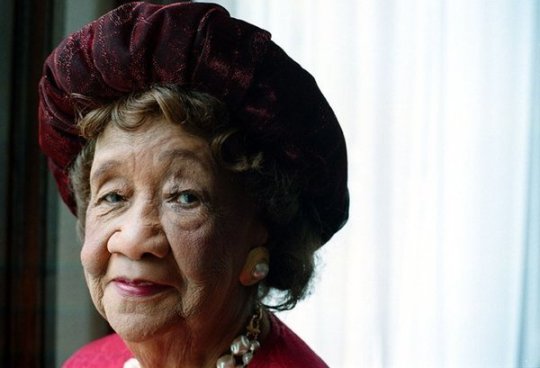
Dr. Dorothy Height (1912-2010)
Dr. Height was regarded by President Barack Obama as “the godmother of the Civil Rights Movement.” She served as the president of the National Council of Negro Women for over two decades and was instrumental in the integration of all YWCA centers in 1946.
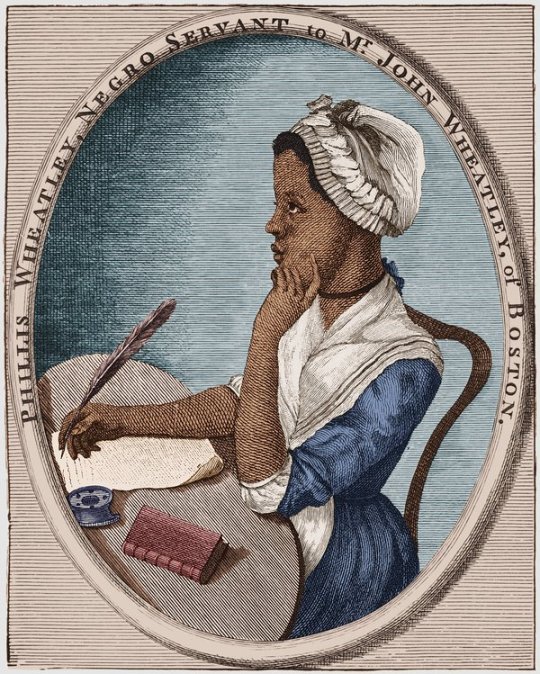
Phillis Wheatley (1753-1784)
Wheatley was a former slave who was kidnapped from West Africa and brought to America. She was bought by a Boston family and became their personal servant. With the aid of the family, she learned to read and eventually became one of the first women to publish a book of poetry in 1773.
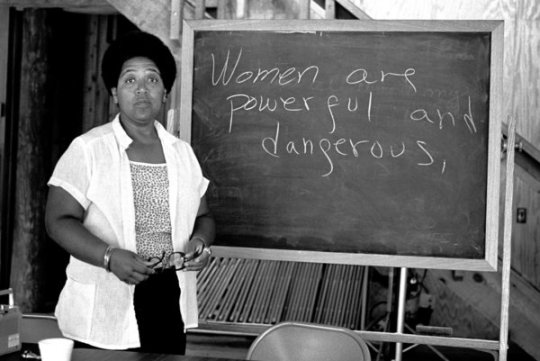
Audre Lorde (1934-1992)
This Caribbean-American writer and activist was a self-described “black, lesbian, mother, warrior and poet.” She empowered her readers with her moving poetry often tackling the injustices of racism, sexism and homophobia. She’s known for her poetry and memoirs such as, From a Land Where Other People Live,The Black Unicorn and A Burst of Light.
Flo Kennedy (1916-2000)
Kennedy was a founding member of the National Organization of Women and one of the first black female lawyers to graduate from Columbia Law School.
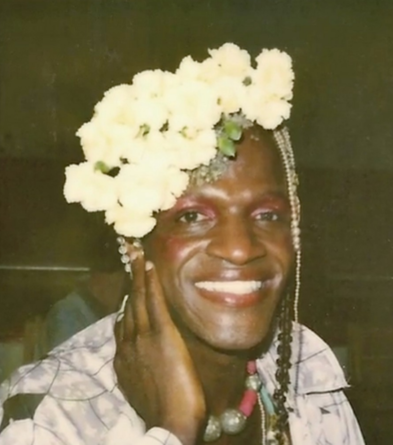
Marsha P. Johnson (1945-1992)
Johnson was an outspoken and fearless trans woman who was a vital part in the fight for civil rights for the LGBT community in New York. She was known as the patron at Stonewall Inn who initiated resistance on the night the police raided the bar.
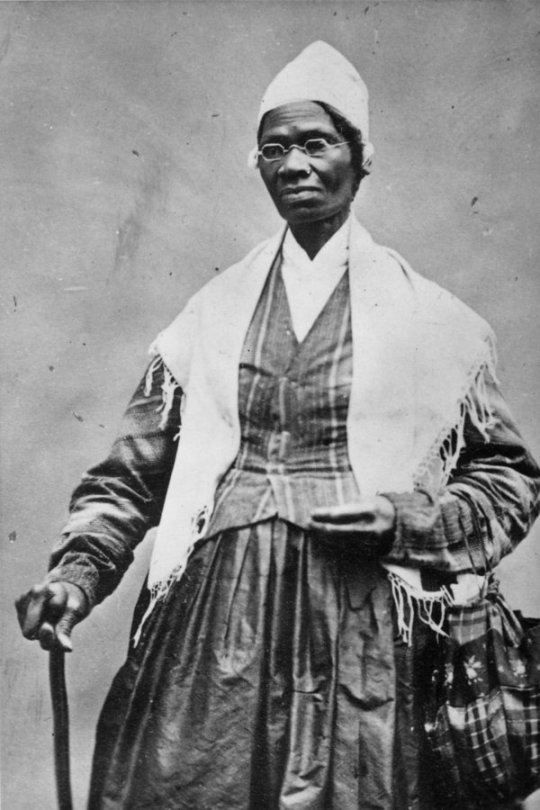
Sojourner Truth (1797-1883)
Born Isabella Baumfree, she escaped slavery with her infant daughter and changed her name to Sojourner Truth. She’s best known for her speech delivered at the Ohio Women’s Rights Convention in 1851 titled “Ain’t I A Woman?”
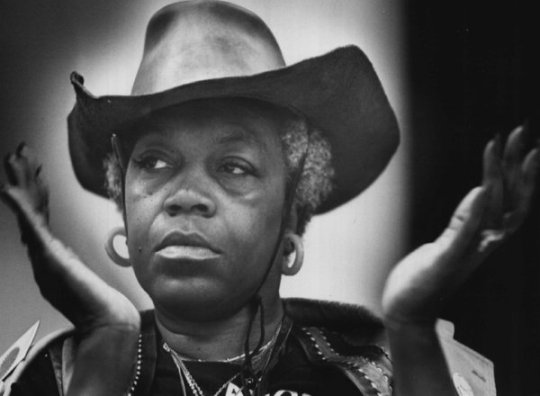
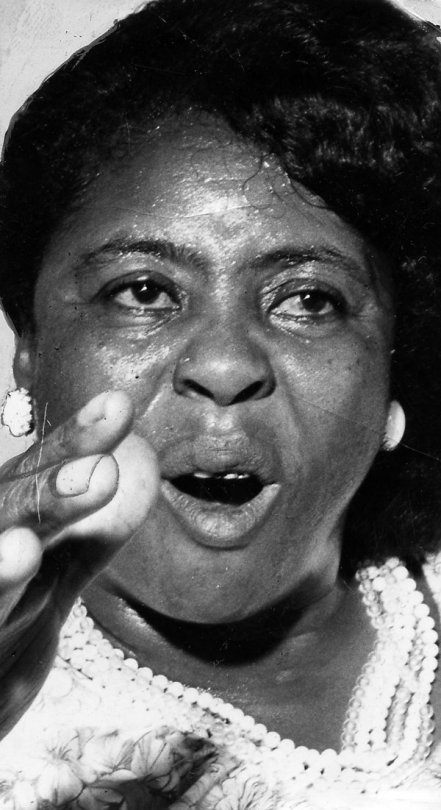
Fannie Lou Hamer (1917-1977)
Hamer was a civil rights activist and organizer of the Student Nonviolent Coordinating Committee Fannie Lou Hamer
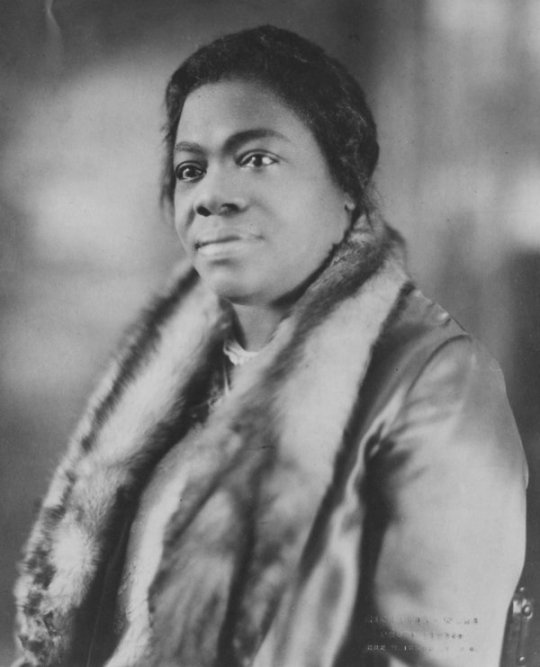
Dr. Mary McLeod Bethune (1875-1955)
Dr. Bethune was an educator and civil rights activist who believed education was the key to racial advancement. She served as the president of the National Association of Colored Women and founded the National Council of Negro Women.
Gwendolyn Brooks (1917-2000)
This poet was the first African American to win a Pulitzer Prize for her 1949 book titled Annie Allen.
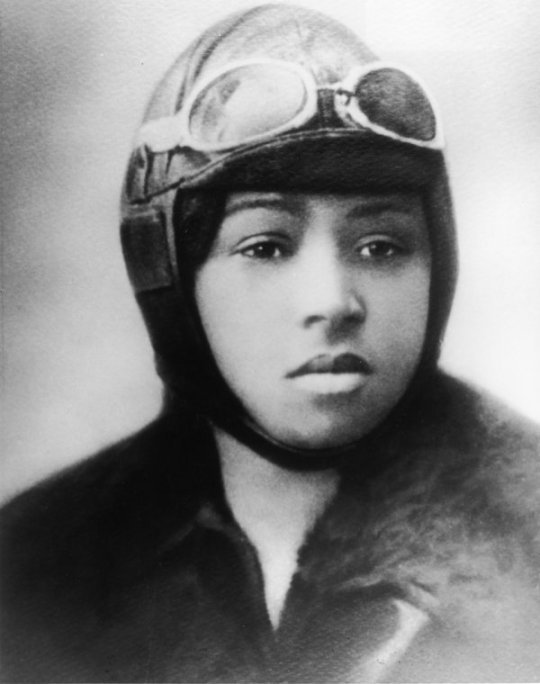
Bessie Coleman (1892-1926)
Coleman became the first black woman to earn a pilot’s license and the first black woman to stage a public flight in the United States
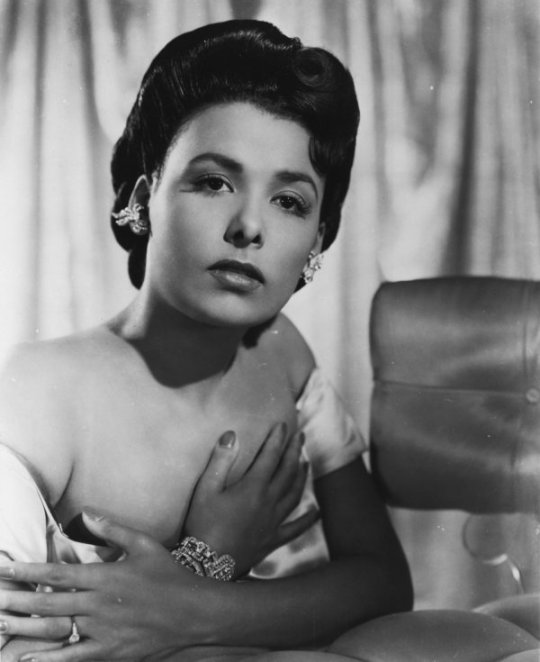
Lena Horne (1917-2010)
Horne was a popular actress and singer who was most known for her performances in the films “Stormy Weather” and “The Wiz.” She worked closely with civil rights groups and refused to play roles that stereotyped black women.
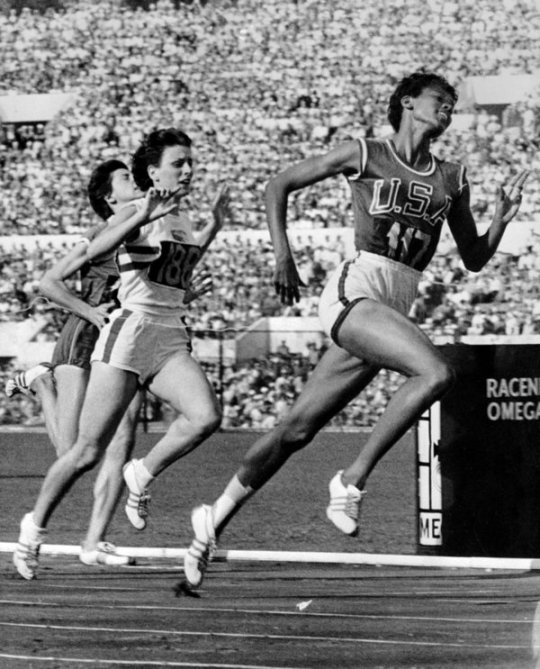
Wilma Rudolph (1940-1994)
Nicknamed “the black gazelle,” Rudolph was born premature and was stricken with polio as a child. Though her doctor said she would never be able to walk without her brace, she went on to become a track star. She became the first American woman to win three gold medals at a single Olympics in 1960.
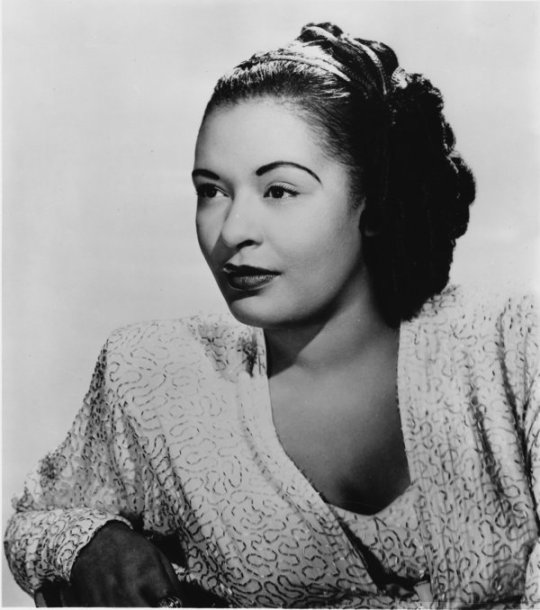
Billie Holiday (1915-1959)
Holiday was an extremely influential jazz vocalist who was known for her “distinctive phrasing and expressive, sometimes melancholy voice.” Two of her most famous songs are “God Bless the Child” and “Strange Fruit,” a heart-wrenching ballad about blacks being lynched in the South.
Diane Nash (1938-)
Nash is a founding member of the Student Nonviolent Coordinating Committee. She was instrumental in organizing the Freedom Rides, which helped desegregate interstate buses in the South.
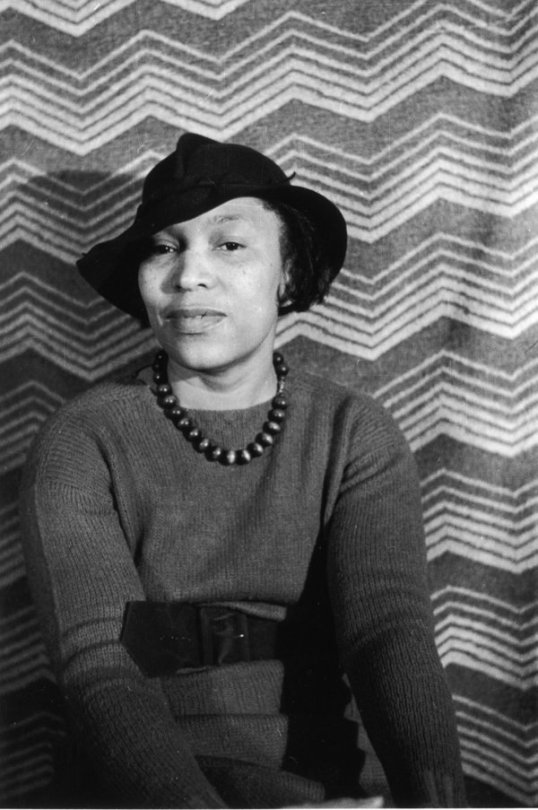
Zora Neale Hurston (1891-1960)
Hurston was an anthropologist and author during the Harlem Renaissance. Though she didn’t receive much recognition for her work while she was alive, her works of fiction, especially Their Eyes Were Watching God, became staples in American literature.
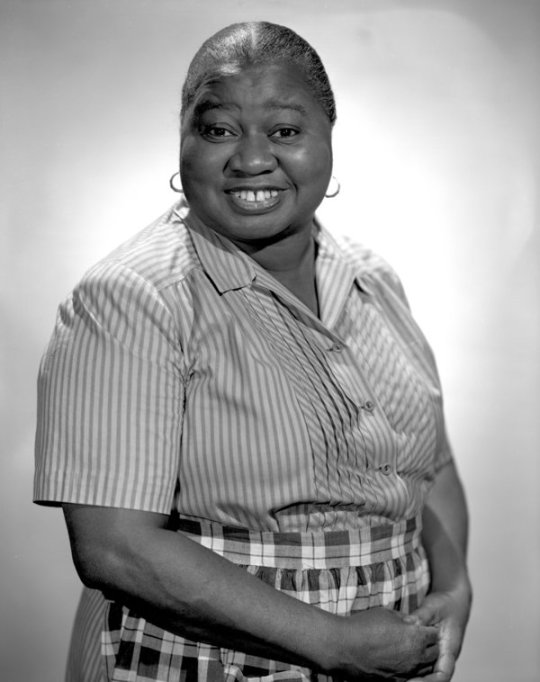
Hattie McDaniel (1893-1952)
As an actress, McDaniel appeared in more than 300 films and was the first African American to win an Oscar in 1940. She was also the star of the CBS Radio program, “The Beulah Show.”
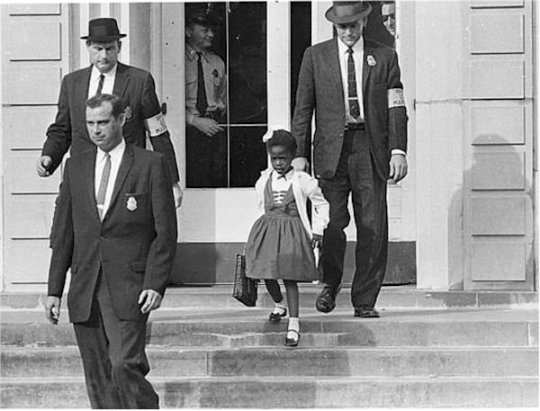
Ruby Bridges (1954-)
Ruby Bridges was six years old when she became the first black child to integrate an all-white school in the South. She was escorted to class by her mother and U.S. marshals due to violent mobs outside of the Mississippi school.
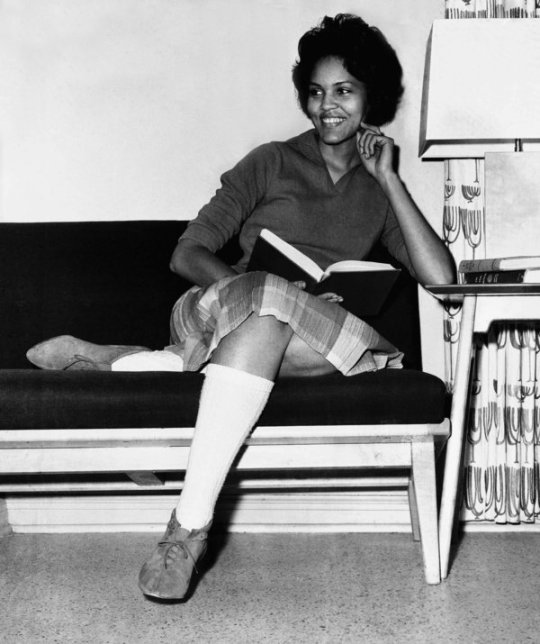
Charlayne Hunter-Gault (1942-)
Hunter-Gault was the first black woman to enroll at the University of Georgia. She became an award-winning journalist after she graduated and worked for outlets such as the New York Times, PBS and NPR.
Daisy Bates (1914-1999)
As a civil rights activist and journalist, Bates documented the fight to end segregation in Arkansas. Along with her husband, she ran a weekly black newspaper and became the president of the Arkansas chapter of the NAACP.
Dr. Mae Jemison (1956-)
Dr. Jemison is the first black woman to be admitted into the astronaut training program and fly into space in 1987. Jemison also developed and participated in research projects on the Hepatitis B vaccine and rabies.
Ella Baker (1903-1986)
Baker was the national director for the NAACP. She also worked with the Southern Christian Leadership Conference and the Student Nonviolent Coordinating Committee. As one of the leading figures in the civil rights movement, Baker is known for her leadership style which helped develop others’ skills to become leaders in the fight for a better future.
Let’s not forget about these trailblazing women this Black History Month.